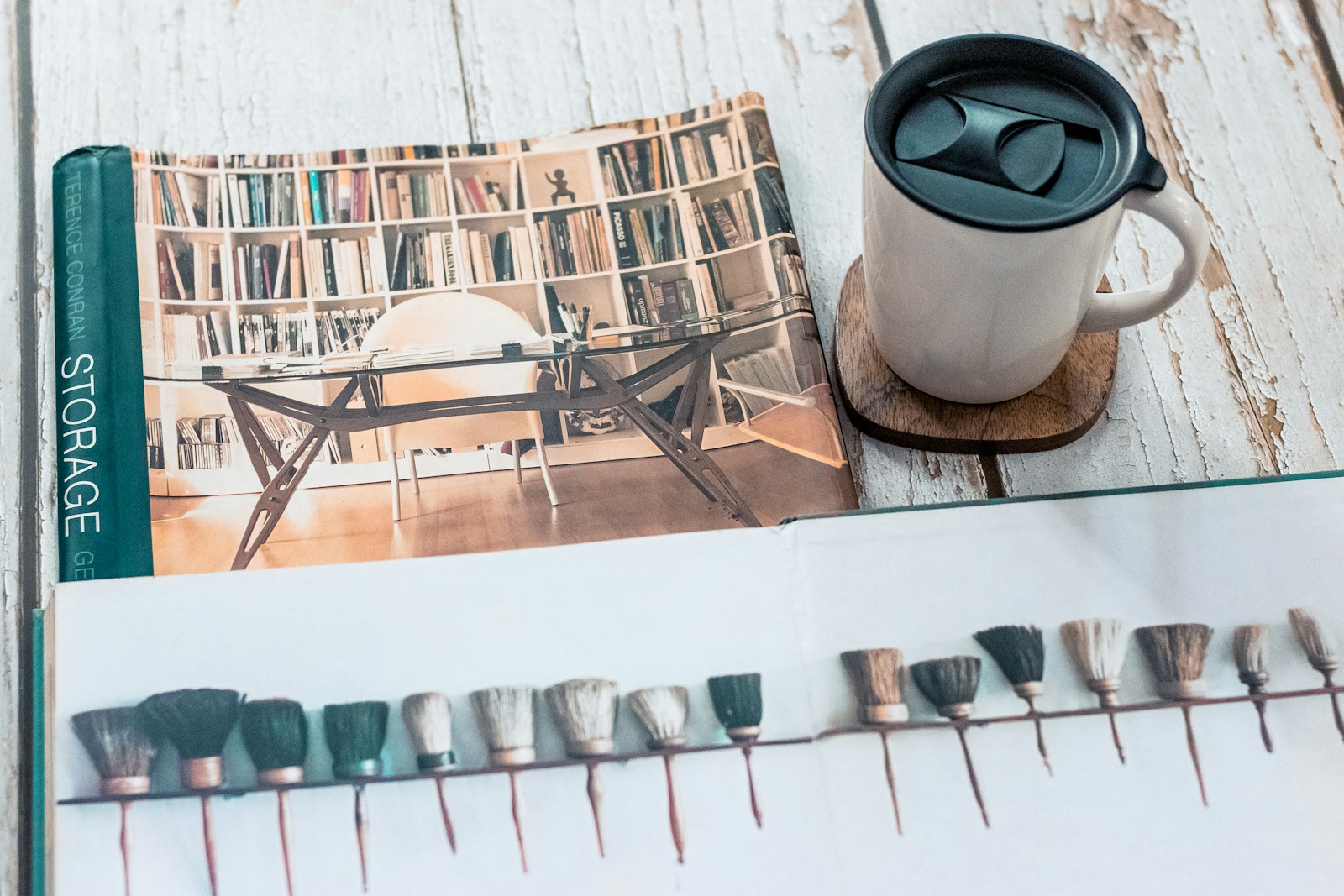
Think about a book that’s so beautiful and striking, it does more than just sit on your coffee table—it instantly pulls your guests into stories about luxury homes, custom-made furniture, and fine jewellery. This is the power of well-designed coffee table books. For many leading UK brands, crafting these books isn’t just about displaying information; it’s about creating a real emotional connection through visuals and the quality of the book itself. In this post, we explore how coffee table books have changed through the years, the latest trends, helpful design hints, and what the future might hold, all while showcasing examples from experts like The Printsmith.
What Are Coffee Table Books?
A coffee table book isn’t your average book. These are large, eye-catching books packed with vivid images and just enough text to guide the story. Their main purpose is to be displayed and browsed leisurely, making them great talking points for living rooms and receptions. Tracing back to wealthy homes of 19th-century Europe, these books first showcased travel and art. Their name and style really took form after publishers began making them specifically to suit table displays in the 1940s.
Unlike regular novels or textbooks, coffee table books feature extra-large designs—usually 10 inches square or bigger—along with glossy or matte hardcover finishes and thick, sturdy paper. UK-based creators, such as The Printsmith, are famous for producing such luxurious editions that add both beauty and feeling to presentations of properties and other high-end products.
A Brief History of Coffee Table Books
The roots of coffee table books stretch all the way back to late 16th-century France, where ornate books were displayed for show. The style really surged forward in the late 19th century, especially with “Picturesque America,” which celebrated landscape art. It was in the 20th century that the format evolved into lavish photographic tomes that became a hallmark of sophisticated British homes.
After WWII, British tastes for design and luxury fostered even more growth in coffee table publishing, especially focusing on fashion and home décor. The recent trend toward self-publishing has only helped the industry grow larger still—today, creative publishers continue to blend modern self-expression with classic craftsmanship, guaranteeing these books remain popular for those who value aesthetics.
The Foundations of Mesmerizing Book Design
Creating a standout coffee table book calls for more than just beautiful photos. Top designers use high-quality images that fill large pages, thoughtful layouts, and stylish typography. Good structure is balanced by a mix of full-bleed images and space for the reader’s eyes to rest. Thick, expensive paper stock, flawless printing, and premium touches—such as stitched panoramic pages or fold-out posters—all help to set these books apart from standard publications.
When putting together content, picking fonts that are elegant yet readable really matters. Many designers use traditional serif fonts for captions and keep margins wide and regular throughout. The aim is to guide the reader through the pages naturally and make the book pleasant to touch and handle.
Coffee Table Book Trends in 2026
In the latest wave of trends, modern coffee table books in the UK blend a keen awareness of sustainability with advances in creative technology. Increasingly, covers feature calm, natural colours and tactile finishes, appealing to eco-minded shoppers. Innovative books also use a mix of hand-refined, AI-generated designs for individual flair.
Minimalism is big—think bold, uncluttered images with plenty of space, making the book both restful to look at and eye-catching whether online or on display. Fashion-and-art-based books go for dramatic contrasts or dreamy gradients, creating innovative visual effects. Handwritten notes and mixed-media collages are on the rise, too, especially among memoir and design publishers.
| Trend | What It Means | Where It’s Used |
|---|---|---|
| Nature & Eco Focus | Earthy shades and breathable layouts, printed on textured, eco-friendly paper | Luxury property showcases, relaxing lifestyle volumes |
| AI & Handcrafted Combo | Artwork created through a mix of technology and traditional techniques | Unique interior design essays |
| Bold, Minimalist Layouts | Striking objects/images set against spacious backgrounds | Eyecatching fashion series or art retrospectives |
| Mixed Media & Collage | Combining photography and illustration, even digital animation | Catalogues for new furniture collections |
Handpicked UK Success Stories
Some of the most eye-catching books in the UK market recently come from collaborators like The Printsmith, who bring together artistic specialists for outstanding creations. Their partnership with names such as Oliver Burns has led to books with luxurious finishes designed to leave a lasting impression. Projects like Design Inc’s expansive Cargiant publication show how dynamic layouts, broad spreads, and clever use of photos can build excitement and highlight the value of large, complex developments.
Leading publishing houses make their own mark, too—Penguin, for instance, produces curated books about famous houses and gardens, while Folio Albums focuses on elegant, pared-back design, using white space to create moodiness and sophistication. Many creator-led books rely on solid hardcovers, premium silk pages, and special binding to match the quality of their content.
Common Design Hurdles
Producing big, heavy books paints its own set of challenges. Oversized pages are visually impressive but tough during the printing, stacking, and even reading process, often calling for custom lay-flat bindings to keep things user-friendly. The materials—heavy paper and deluxe binding—drive up production costs, which can be a problem for budget-conscious creators.
Another issue: some people mistake coffee table books for mere decoration, but real value comes from storytelling—not just images. Overloaded layouts crammed with too much text or clashing images fall flat. Reliable high-resolution images are vital too, as low-quality pictures undermine the whole effect.
Looking Forward—New Opportunities
Tech is shaking up the coffee table book world, with on-demand printing making it easier to publish and share globally. Self-publishing has grown, especially for artistic niches, and British producers now craft striking books not only for personal legacy but also as luxury gifts—helping brands stand out and foster customer loyalty.
Designers should expect to see even more creative use of unique materials, combinations of print and digital media, and bold finishes on the rise. The collaborative approach, linking design pros, printers, and visionary brands, is proving the best way to secure a place at the top of the market.
Helpful Hints for Great Coffee Table Books
- Theme is key: Create books around a strong idea. Gather images and quotes that work as a group for a connected story.
- Pick a practical size: Large square formats look impressive and fit spaces well, but always check how it looks on your actual table.
- All about the cover: Choose cover materials like textured leather or high-quality fabric and ensure that the cover stands out visually and feels special at first touch.
- Balance the layout: Too many photos can compete for attention. Mix full-image spreads with crisp white areas for breathing room, and remember—sometimes less is more.
- Rely on the professionals: Partnering with local specialists and producers can elevate print quality, finish and longevity.
- Check before printing: Proof every page for layout and colour. Sturdy, crisp bindings matter for lasting appeal, and your book should stack and style beautifully.
Great coffee table book design is all about inspiration and leaving a powerful first impression. When crafted beautifully, these pieces become lasting symbols for both brands and personal stories—invite artistic experts to help tell your tale, and watch your vision take pride of place on any table.